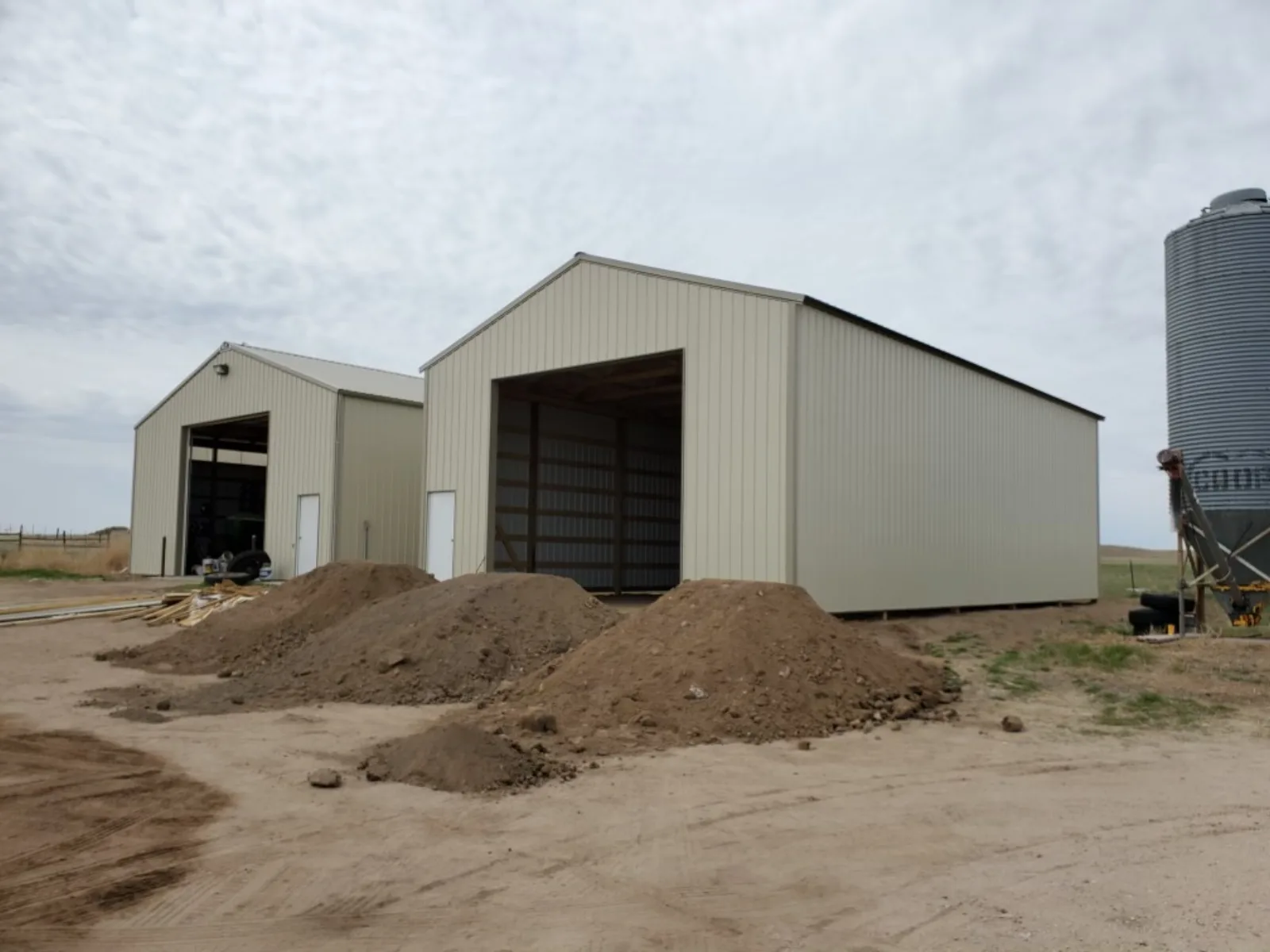
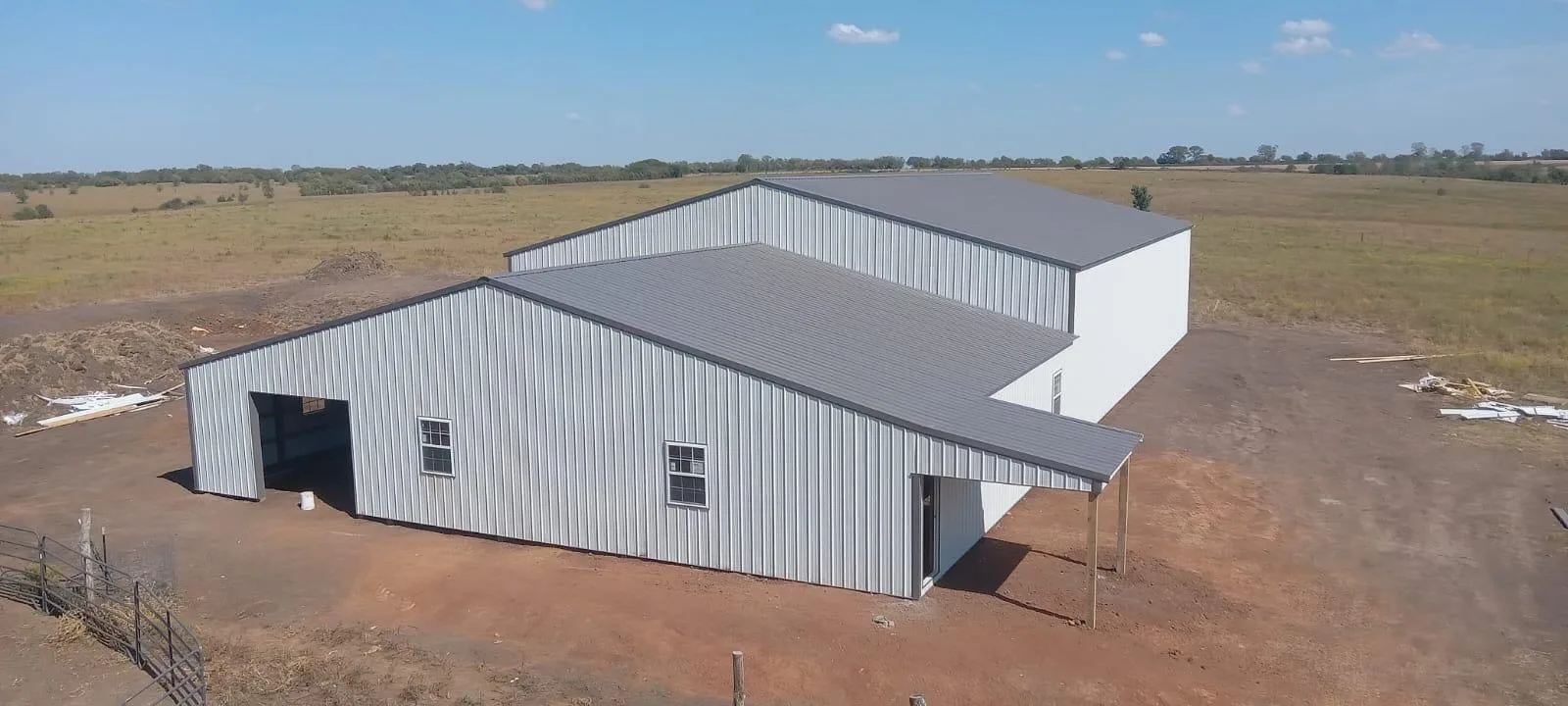
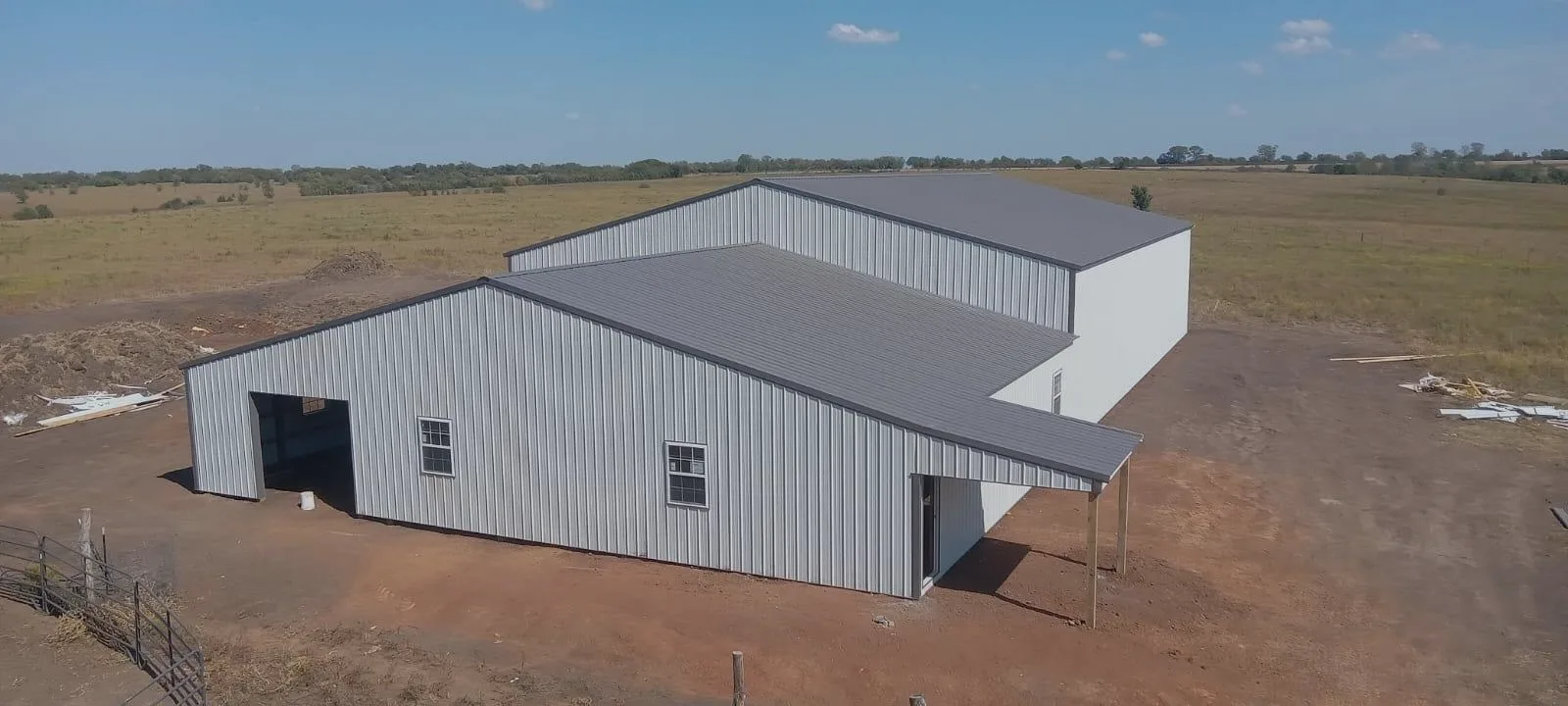
Longevity is one of the biggest concerns property owners have when investing in a pole barn. Whether you’re building for farm equipment, livestock, storage, a workshop, or a custom-purpose structure, your pole barn is only as good as the materials, craftsmanship, and site conditions that go into it. At
D.T. Construction in Oklahoma, we’ve seen pole barns last well over 40–60 years when built correctly, and we’ve also seen poorly constructed buildings deteriorate in a fraction of that time.
In other words, longevity isn’t luck. It’s the result of smart planning, quality materials, and proper maintenance.
If you’re considering building a pole barn, or you already own one, this guide walks you through the factors that influence how long your structure will last and how to get the best lifespan from your investment.
1. Soil Conditions and Site Preparation
One of the most overlooked factors in
pole barn lifespan is the ground it sits on. Oklahoma’s diverse soil types, ranging from clay-heavy soil in the east to sandy soil in the west, can dramatically impact structural stability.
Why It Matters
Pole barns rely on deeply set posts for foundational support. If the soil shifts, expands, or doesn’t drain properly, it can shorten the building’s life.
How to Maximize Longevity
- Choose a builder who evaluates your soil type before construction.
- Ensure proper grading to move water away from the site.
- Add gravel pads or drainage systems if the area is prone to holding moisture.
- Avoid low-lying areas where water naturally pools.
At D.T. Construction, we always begin with a full site assessment so your building sits on solid, stable ground.
2. Quality of Posts and Lumber
The backbone of any pole barn is its posts. These vertical columns carry the weight of the roof, walls, wind load, and everything inside the structure. Cutting corners here immediately affects longevity.
Types of Posts That Last the Longest
- Laminated posts (engineered posts)
- Pressure-treated solid posts
- Posts treated for ground contact (UC4B or UC4C)
Cheaper posts that aren’t properly treated will absorb moisture, rot quickly, and create structural problems long before other components fail.
What to Look For
- Posts with correct treatment levels for below-grade use
- Lumber with minimal imperfections
- Material sourced from reputable mills
- Posts that are straight, strong, and resistant to warping
When we build pole barns in Oklahoma, we only use posts treated for direct soil contact. This gives the building the best chance at decades of durability.
3. Roofing and Siding Materials
The exterior shell of your pole barn protects everything inside it. Cheap or thin materials might look fine on day one, but over the next 10–20 years, they can fade, rust, warp, or lose their weather seal.
Metal Panels
High-quality metal panels (29–26 gauge) with protective coatings prevent:
- Rust and corrosion
- UV fading
- Hail denting
- Water infiltration
- Fastener pull-out during strong winds
A durable roof is especially important in Oklahoma, where hail, strong thunderstorms, and high winds are common.
Fasteners Matter
The screws holding your roof and siding in place play a surprisingly large role in longevity.
Quality fasteners include:
- Rubber washers for a tight seal
- Corrosion-resistant coatings
- Proper length and thread depth
Cheaper fasteners corrode faster than metal panels do, leading to leaks and wind damage.
4. Construction Practices and Craftsmanship
You can have the best materials in the world, but if your pole barn is poorly constructed, it won’t last. Craftsmanship affects every aspect of the building, from structural integrity to weather resistance.
Longevity-Boosting Construction Methods
- Posts set at the correct depth and spacing
- Proper tamping or concrete backfill in post holes
- Trusses designed for local wind and snow loads
- Correctly installed vapor barriers
- Metal panels installed without over-tightening screws
- Rooflines built to minimize water intrusion
At D.T. Construction, we build to exceed Oklahoma’s standards for wind resistance, and we use building techniques designed specifically for our climate.
5. Weather and Climate Conditions
Oklahoma weather is no joke. High winds, drastic temperature swings, humidity, and storms all impact how long a pole barn lasts.
How Weather Impacts Longevity
- Windstorms: Can pull panels loose or stress poorly anchored posts.
- UV exposure: Breaks down cheap paint or thin metal panels.
- Moisture and humidity: Accelerate wood rot and rust.
- Hail: Damages low-quality roofing.
Building for Oklahoma’s Climate
The best way to ensure longevity is choosing:
- Properly engineered trusses
- High-wind-rated fasteners and connections
- Durable metal finishes
- Smart site placement away from wind tunnels
We always design our pole barns with Oklahoma-specific weather patterns in mind.
6. Moisture Control and Ventilation
Moisture is the enemy of long-lasting buildings. Without proper airflow, condensation builds up inside a pole barn and creates:
- Mold and mildew
- Rust on equipment
- Rot in wooden components
- Warped siding
- Musty odors
Ventilation Features That Increase Lifespan
- Ridge vents
- Soffit vents
- Cupolas
- Insulation with vapor barriers
- Proper spacing between materials
Ventilation is especially important for barns that house livestock or store temperature-sensitive items.
7. Foundation Options: Ground-Set vs. Concrete
While traditional pole barns use ground-set posts, many owners choose to upgrade to concrete piers or perma-columns for maximum longevity.
Ground-Set Posts
- Most affordable
- Very durable when posts are properly treated
- Can last 40+ years with good drainage
Concrete Piers or Perma-Columns
- Keep wood completely above ground
- Prevent moisture-related decay
- Increase structural stability
- Great for long-term investment properties or barndominiums
If lifespan is your top priority, concrete piers are one of the best upgrades you can make.
8. Insulation Choices
Insulation doesn’t just improve comfort, it also protects structural materials.
Why Insulation Affects Longevity
- Reduces condensation
- Stabilizes internal temperatures
- Protects equipment and stored items
- Prevents wood from absorbing moisture
Spray foam insulation is especially effective because it seals gaps and adds rigidity to metal panels.
9. Maintenance Over Time
A well-built pole barn doesn’t require much maintenance, but no structure lasts decades without some level of care.
Maintenance Tasks That Extend Life
- Checking roof screws annually
- Washing the exterior to remove dirt and debris
- Clearing gutters
- Inspecting posts for moisture exposure
- Repainting or touching up scratches on metal panels
- Keeping vegetation trimmed away
Even the best-built barn benefits from seasonal checkups, especially after severe storms.
10. Upgrades That Add Decades of Life
If you want your pole barn to last as long as possible, certain upgrades go a long way:
- Thicker metal panels
- Engineered laminated posts
- Concrete footings or piers
- Gutters and drainage systems
- Overhangs to protect siding
- Spray foam insulation
- Interior liner panels
These improvements don’t just boost longevity; they also increase resale value and functionality.
Final Thoughts: Your Pole Barn Can Last a Lifetime With the Right Builder
Longevity comes down to three things:
quality materials, skilled construction, and proper maintenance.
At D.T. Construction, we’ve built pole barns all across Oklahoma that are still standing strong. We understand the soil, the climate, and the building techniques required for long-term durability. Whether you’re investing in agricultural storage, a workshop, a garage, or a custom structure, we build every pole barn with the goal of making it last for generations.
If you want a pole barn designed for long-term performance, reach out anytime, we’d love to help you design and build a structure that stands the test of time. Contact us today at
918-527-0117.