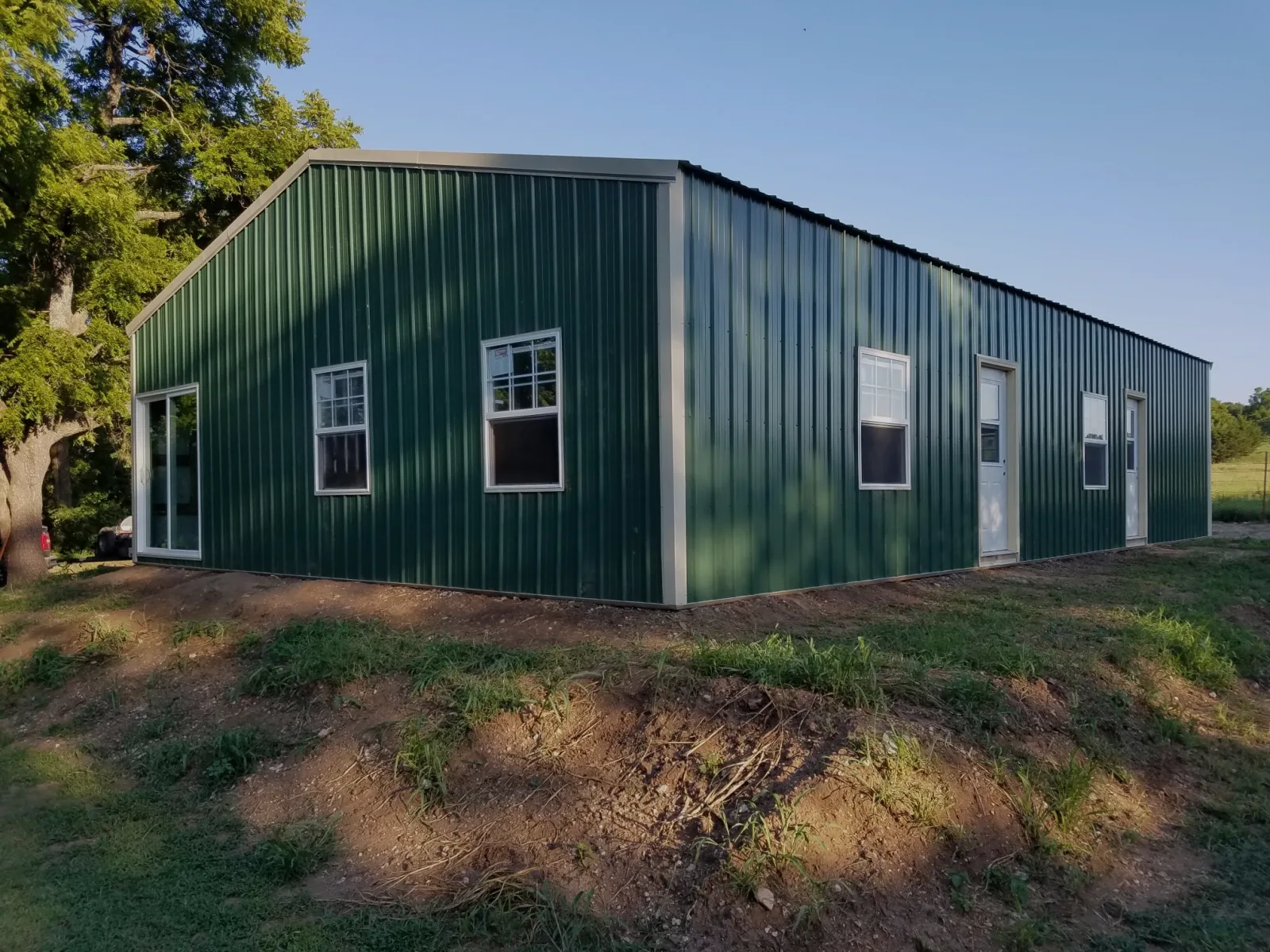
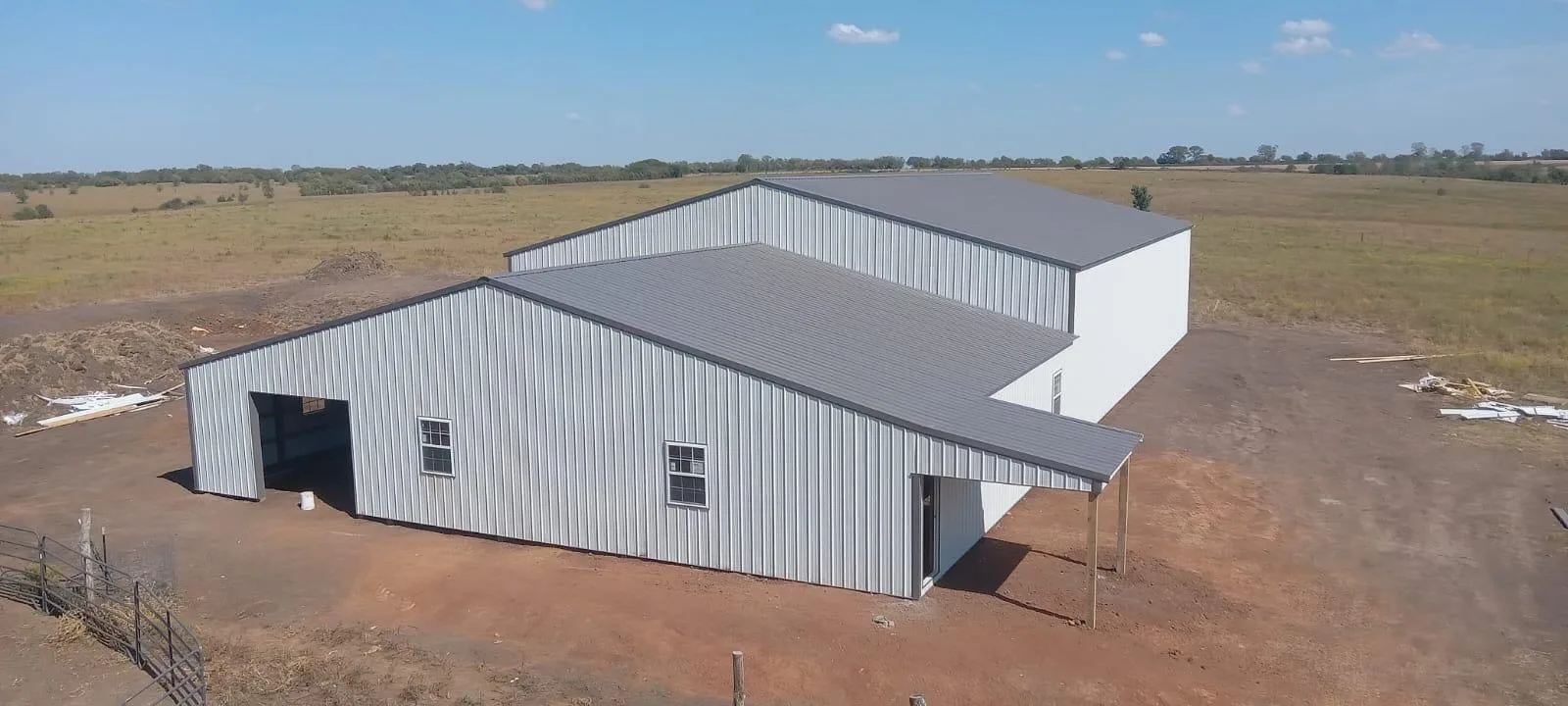
Spring is right around the corner, and with it comes warmer weather, longer days, and plenty of activity around your property. For pole barn owners in Oklahoma, spring is the perfect time to walk through your barn and ensure it’s ready for the months ahead. Even though pole barns are built to last, winter weather can take a toll on roofs, siding, doors, and foundations. A pre-spring checklist helps you identify potential issues early, keep your barn in top shape, and prevent costly problems down the road.
At
DT Construction, we’ve seen how simple seasonal inspections make a big difference for pole barn owners. Whether your barn is used for storage, livestock, workshop space, or as a garage, taking a few hours to review key areas now can save headaches and protect your investment throughout the year.
1. Inspect the Roof
The roof is the most important part of your pole barn when it comes to weather protection. Winter storms, hail, and heavy winds can leave behind damage that isn’t immediately obvious. As part of your pre-spring inspection:
- Look for loose or missing screws and fasteners
- Check for rust spots on metal panels
- Inspect for dents, punctures, or warping caused by hail or branches
- Check the interior for signs of leaks, like water stains or damp spots
Even small issues can worsen quickly if left unchecked. Taking note of them now gives you time to schedule repairs or preventative measures before spring rains and storms hit.
2. Check Gutters and Drainage
Water management is critical for your pole barn’s longevity. If your barn has gutters, remove leaves, sticks, and other debris, and make sure water flows freely. Downspouts should direct water away from the foundation to prevent erosion, water damage, or standing water at the posts.
If your barn doesn’t have gutters, check that the surrounding ground slopes away from the building to keep water from pooling around posts and foundations. Proper drainage prevents long-term structural damage and protects the soil around your barn.
3. Inspect the Foundation and Posts
The foundation and posts are what keep your pole barn standing tall and secure. After winter, it’s important to check for signs of settling, soil erosion, or water accumulation. Look for:
- Loose or leaning posts
- Cracks or gaps in concrete or gravel foundations
- Signs of soil erosion that could expose post bases
Taking notes now gives you time to address potential problems before they worsen during spring storms.
4. Examine Siding and Exterior Walls
Walk around the entire barn and inspect siding, trim, and exterior walls. Look for:
- Rust or corrosion on metal panels
- Splintering, rot, or insect damage on wooden surfaces
- Loose screws, nails, or brackets
If you notice any signs of wear, consider planning repairs, repainting, or replacing sections to protect your barn for the spring and summer months. Maintaining the exterior also helps your barn look clean and professional.
5. Check Doors and Windows
Doors and windows are used daily and can be affected by winter conditions. Make sure:
- Hinges, tracks, and latches are intact and not bent or loose
- Doors open and close smoothly
- Weather seals are in good condition
Lubricating hinges and locks or tightening screws can make a big difference in preventing bigger problems later in the year.
6. Clean the Interior
Winter often leaves dust, dirt, and debris inside your pole barn. Sweep and organize the space to prepare for spring projects or storage. If your barn houses livestock, remove old bedding, check for mold, and ventilate the area to reduce lingering moisture. A clean interior reduces hazards and helps you spot potential issues more easily.
7. Check Ventilation and Airflow
Proper airflow prevents mold, mildew, and rust, especially as temperatures rise and humidity increases in spring. Make sure roof vents, ridge vents, or windows are unobstructed. Inspect for any areas where air is trapped or moisture may accumulate.
8. Look for Signs of Pests
Winter often drives pests such as rodents, birds, and insects into barns for shelter. Walk through your barn and inspect corners, rafters, and storage areas for nests, droppings, or gnaw marks. Sealing gaps and cracks now can prevent infestations before they become a larger problem. Early prevention protects both your barn structure and the items inside.
9. Review Equipment and Storage
If your pole barn is used to store tools, vehicles, or farm equipment, check everything for winter wear. Look for:
- Leaks or rust on stored equipment
- Damaged or missing covers and tarps
- Items stored in a way that blocks walkways or ventilation
Reorganizing your barn in the spring helps maximize space and keeps items safe throughout the year.
10. Make a Plan for Repairs or Upgrades
Your pre-spring inspection is a great time to note any repairs, upgrades, or improvements you want to make. Whether it’s adding insulation, replacing worn siding, or planning an expansion, having a checklist allows you to prioritize work before the busy season.
Tips for a Successful Pre-Spring Inspection
- Walk the barn slowly and methodically, don’t rush.
- Take notes or photos to track issues year over year.
- Schedule repairs with a professional if you notice anything structural.
- Keep seasonal logs to remember what was checked and addressed each year.
- Prioritize safety first; use ladders, gloves, and proper tools when inspecting high areas.
Final Thoughts
Taking the time for a pre-spring inspection ensures that your pole barn is ready for the busy months ahead. By checking the roof, foundation, siding, doors, ventilation, and interior organization, you can identify small issues before they become costly problems. Preparing now protects your investment, extends the life of your pole barn, and keeps the space safe and functional for storage, work, or other activities.
At DT Construction in Oklahoma, we’ve built countless pole barns designed to stand up to harsh weather while providing versatile space for homeowners, farmers, and businesses. Having a plan and checklist ensures your barn stays in top condition year after year. Preparing now means fewer surprises and a smoother, safer spring season for your property. Give us a call today at
918-527-0117 to learn more information.