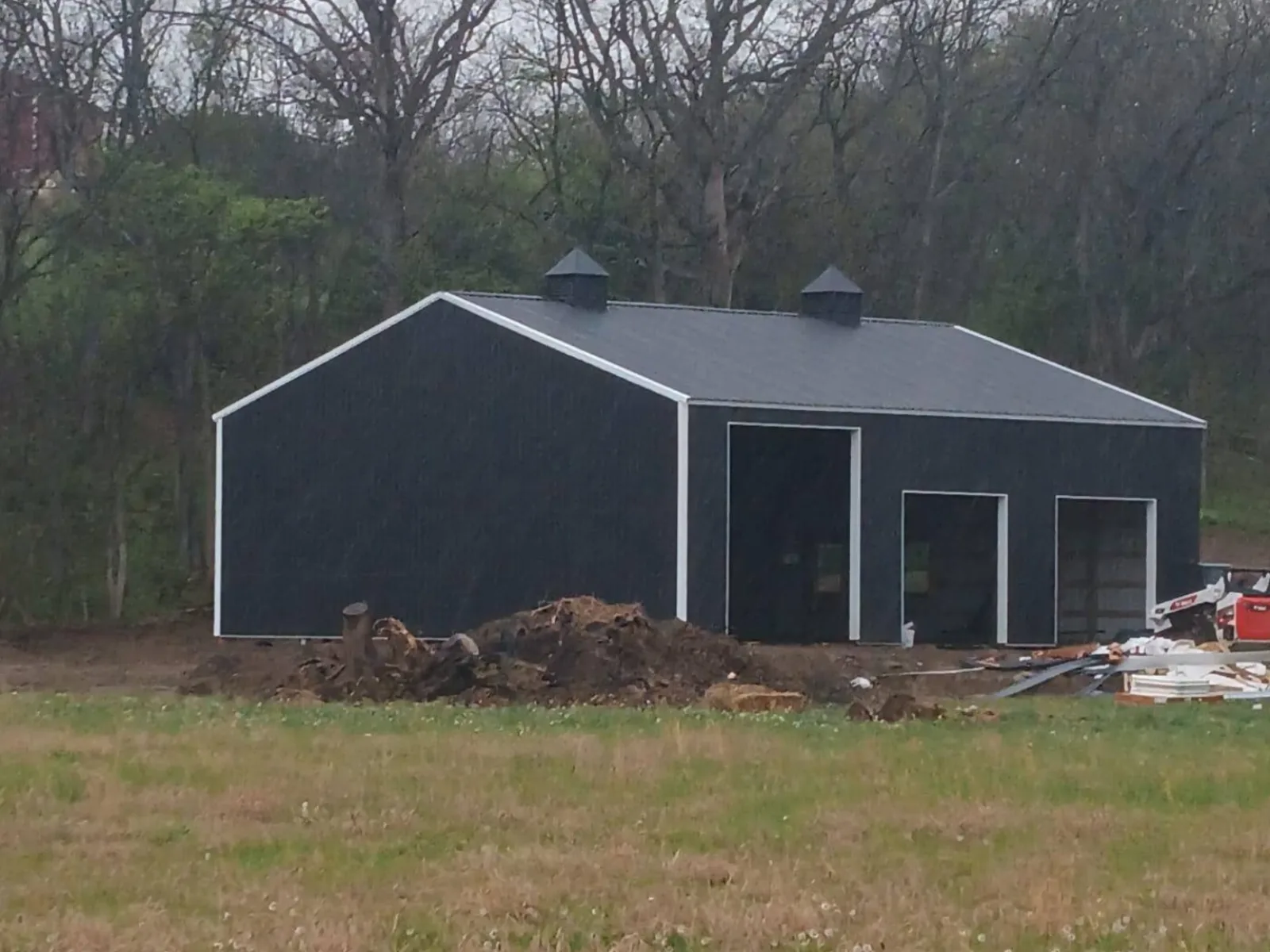
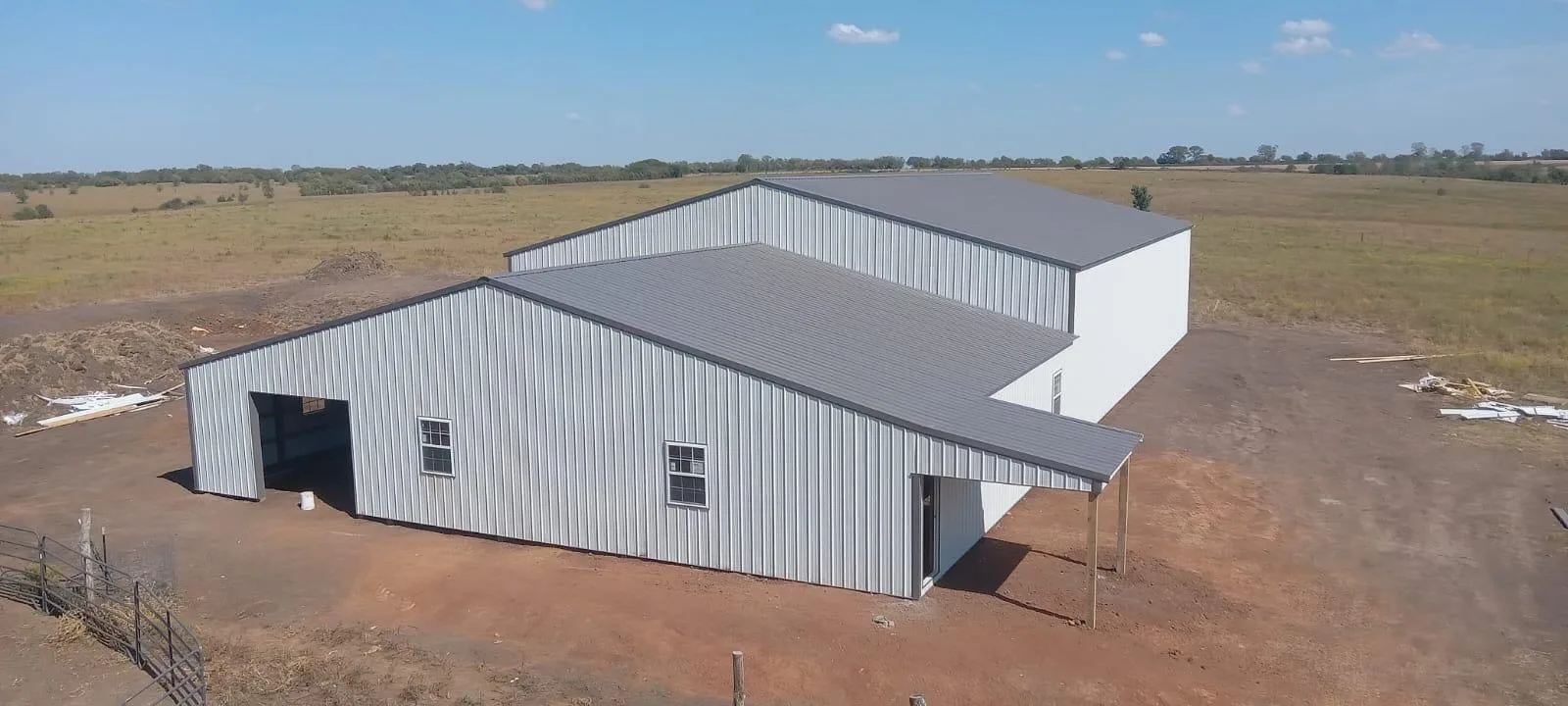
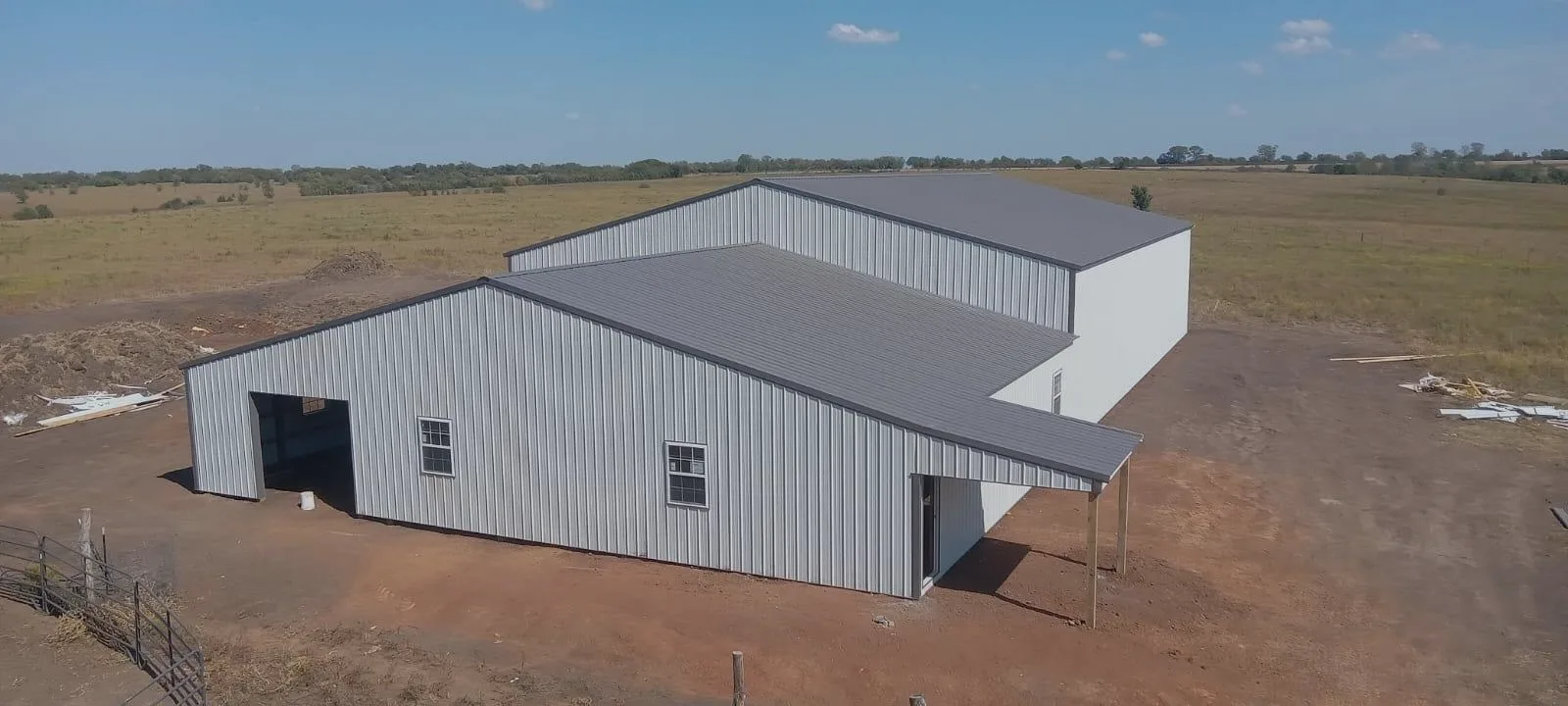
As the long, hot days of summer start giving way to cooler mornings and crisp evenings, now is the perfect time to think about your pole barn. Whether you use yours for storage, livestock, equipment, or as a workshop, preparing it for fall can protect your investment, save you money, and ensure it’s ready for the months ahead.
At
DT Construction, we build custom pole barns across Oklahoma, Arkansas, and Kansas, and we know firsthand how seasonal changes in our region can affect your building. From sudden storms and high winds to falling leaves and fluctuating temperatures, fall brings unique challenges. The good news? A little preventative maintenance now can go a long way toward keeping your pole barn in top shape all year round.
Why Fall Prep Matters for Pole Barns
In our part of the country, fall can be unpredictable. One day it’s sunny and warm, the next it’s chilly and damp. That constant change in temperature and humidity can lead to condensation, pest activity, and even structural wear over time.
By taking a few key steps before the weather fully shifts, you can:
- Prevent water damage and leaks
- Keep pests out
- Maintain proper ventilation
- Protect your equipment, animals, or stored items
- Avoid costly repairs in winter or spring
Step 1: Inspect and Clean the Roof & Gutters
Your pole barn’s roof is the first line of defense against the elements. As summer ends, it’s a good idea to climb up (safely) and inspect it for loose or missing fasteners, bent panels, or damaged flashing. High winds and hail are common in Oklahoma, Arkansas, and Kansas, so even small damage should be addressed quickly.
Gutters and downspouts are especially important in fall when leaves and debris start to pile up. A clogged gutter can cause water to overflow and pool near your barn’s foundation, leading to erosion or moisture damage. Clean them out now, and make sure downspouts are directing water at least several feet away from the building.
Step 2: Seal Gaps to Keep Drafts and Pests Out
As temperatures drop, rodents, insects, and other pests start looking for warm shelter, and your pole barn can be very inviting. Check the perimeter, especially where the siding meets the foundation, and around windows and doors.
Seal any gaps with caulk or expanding foam, and replace worn weather stripping. If you have a sliding barn door, check that it closes tightly and that there’s no gap along the bottom where critters can squeeze in. This small step not only keeps pests out but also helps maintain a stable temperature inside your pole barn.
Step 3: Check Ventilation to Prevent Condensation
One of the biggest fall-to-winter issues for pole barns is condensation. When warm, humid air meets a cooler surface, moisture forms, and that can lead to mold, mildew, and even rust on tools or metal surfaces.
Good ventilation is key. Make sure ridge vents, gable vents, or cupolas are clear and unobstructed. If your barn tends to trap humidity, you might consider adding a ventilation fan or upgrading insulation to control moisture levels.
Step 4: Organize and Store Seasonal Equipment
As the seasons change, so do your equipment needs. Now’s the time to move summer items, like lawn mowers, pool supplies, and gardening tools, to storage areas you don’t need frequent access to.
Bring winter gear to the front, including snow blowers, salt, livestock heaters, or blankets. If your pole barn houses farm equipment, fall is a good time to perform maintenance and make sure everything is ready for the months ahead.
Step 5: Protect Livestock and Feed
If your pole barn is used for animals, you’ll want to make sure it’s ready to keep them warm and comfortable as temperatures start to dip. Check doors and windows for drafts, add bedding for insulation, and store feed in sealed containers to prevent moisture and pests from getting in.
For barns with water sources, make sure pipes are insulated to prevent freezing later in the season.
Step 6: Inspect the Foundation and Drainage
Heavy fall rains can quickly lead to standing water around your barn if drainage isn’t adequate. Walk around the outside and check for areas where water might collect. Look for cracks in the foundation or shifting soil that could indicate erosion.
Grading the soil away from your pole barn and keeping drainage ditches or swales clear can go a long way toward preventing water damage.
Step 7: Consider Upgrades Before Winter
If you’ve been thinking about adding insulation, improving lighting, or installing new doors, early fall is the ideal time to make those upgrades. The weather is still comfortable for construction work, and you’ll enjoy the benefits all winter long.
Bonus Tip: Schedule a Professional Inspection
Even if your pole barn seems to be in good shape, a professional inspection can catch hidden issues, like small roof leaks, structural wear, or pest damage, that you might overlook. Having an expert look things over in fall means you can address repairs before harsh winter weather arrives.
DT Construction: Your Pole Barn Experts in OK, AR, and KS
We know how much a well-built, well-maintained pole barn means to our customers, whether it’s housing animals, protecting expensive equipment, or serving as a workshop. Our team has been building custom pole barns across Oklahoma, Arkansas, and Kansas for years, and we take pride in creating structures that last through every season.
If you need a brand-new pole barn built to your exact needs, we’re here to help. We can design and construct everything from simple
storage barns to barndominiums, all with the durability and quality our region demands.
Final Thoughts
Prepping your pole barn for fall doesn’t have to be a major project, but it’s one of the best ways to protect your investment. A few hours of work now can save you from costly repairs and keep your barn ready for whatever the season throws at it.
Call us today at
(918) 527-0117 to schedule a consultation if you are looking to build a new barn and keep your pole barn in peak condition this fall and beyond.